
The philosophy of doing nothing well
3 min read
There’s an Italian word for something most travel itineraries have forgotten how to offer: villeggiatura.
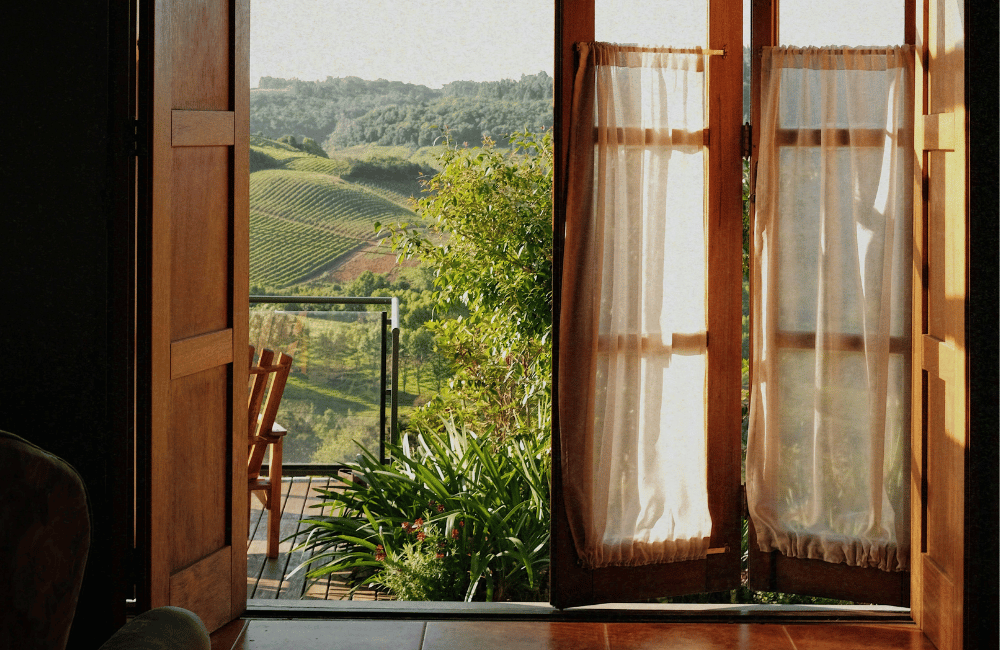
The term originated in Renaissance Venice, where patrician families used it to describe leaving the city each summer to spend an extended stretch of time at their country villas. It wasn’t a trip in the way we usually mean the word. It was a season – weeks, sometimes longer – spent almost entirely in one place, with no itinerary to speak of.
That’s the part worth sitting with. Villeggiatura is deliberately different from a vacanza, the more generic Italian word for vacation, which still carries the idea of moving from place to place. Villeggiatura is the opposite: a single place, inhabited slowly, for long enough that the need to see and do everything simply falls away.
The idea is older than the word itself. Wealthy Romans practised something similar in antiquity, leaving the summer heat of the city for villas along the coast near Naples (Pompeii, Herculaneum, the slopes above the Bay of Naples) for rest, conversation, and very little else. The word came later, in the 1700s, but the instinct it named had already existed for centuries.
It’s worth noticing how different this is from how most of us plan a trip now. Modern travel tends to prize density: how many places, how many meals, how many things seen and later shown. Villeggiatura asks the opposite question: not how much can this trip hold, but how little does it actually need.
That’s not the same as doing nothing at all. It’s closer to what the Romans called otium: a kind of purposeful rest, distinct from idleness, where the absence of obligation is itself the point. A long lunch that isn’t rushed toward the next thing. A week where the biggest decision most days is what time to eat.
It’s a difficult thing to plan for, precisely because it asks you to plan for less. But it might be worth trying, at least once: choosing a place and then doing very little else but being there.
