What we mean by a sense of place
3 min read
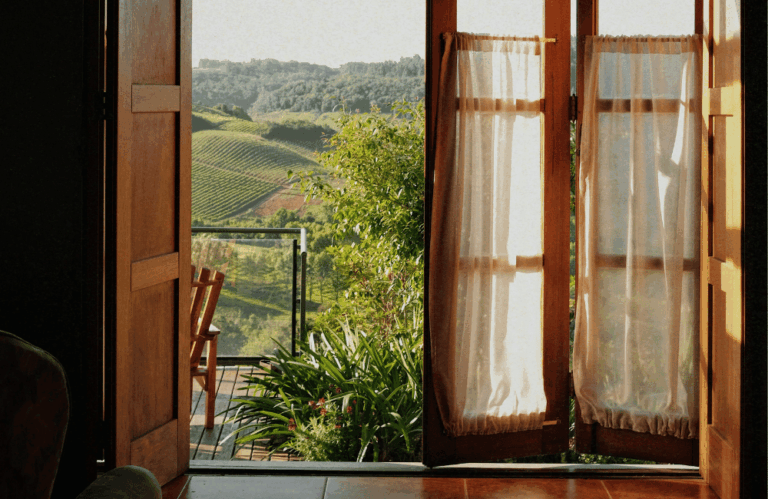
Every listing talks about “sense of place.” It’s become one of those phrases that sounds meaningful until you stop and ask what it’s actually describing. Too often, it means a photo of a local market, a line about “authentic culture,” and little else.
We think a sense of place means something more specific: knowing who a place belongs to, not just what it looks like.
Every destination has people who’ve shaped it, not through tourism, but through generations of ordinary, continuous work. A family who has farmed the same land for longer than anyone can remember. A craftsman making something the same way it’s always been made. These are the things a place is actually built from, long before anyone thought to photograph it.
Most travel content skips straight past this. It’s easier to describe a view than to understand why a place is the way it is, or who kept it that way. But it’s usually that context, not the view, that makes a place stay with you.
A few things worth noticing
Who runs a place, and how long they’ve been doing it, often says more than the menu or the décor. A restaurant run by the same family for decades tends to feel different from one built for passing tourists.
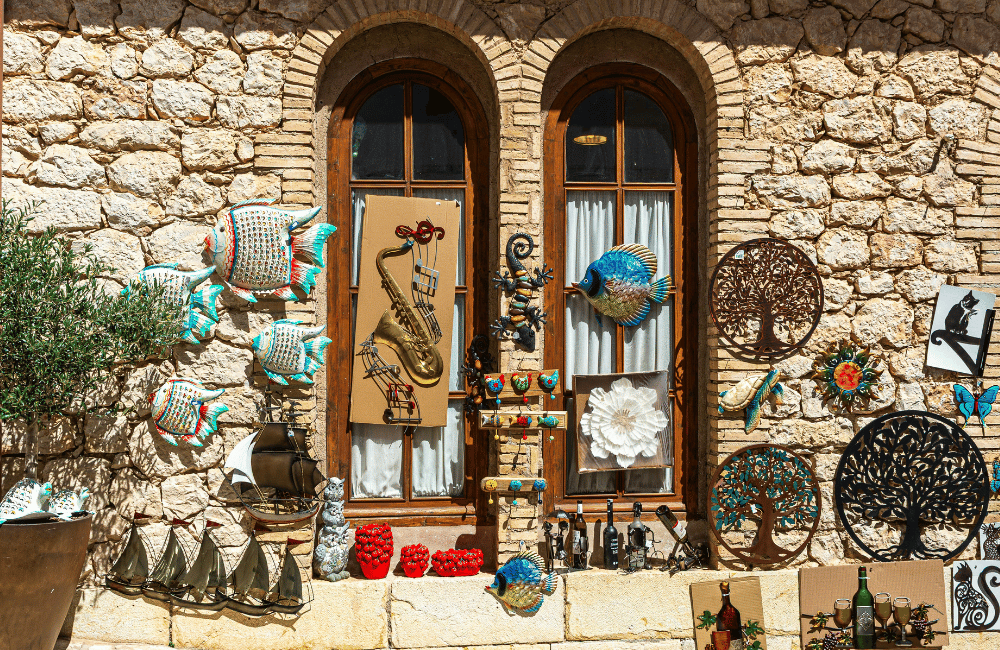
What’s made locally versus what’s shipped in is another quiet signal. Produce grown a few kilometres away tells you something a souvenir shop never will.
And often, it’s what hasn’t changed that matters most. Tourism tends to add things: more restaurants, more signage, more of everything aimed at visitors. What’s stayed the same despite that is usually worth paying attention to.
None of it requires special access. It just asks for a bit more attention than a passing glance.
A place with a name and a history behind it is a very different thing to stay in than a backdrop. That difference, we think, is what makes it worth remembering.